








E-waste management in Boston and New York City (NYC) faces challenges from rapid tech advancements, particularly printer disposal. Both cities have initiated sustainable solutions: Boston startups like EcoPrinters offer recycling programs, while NYC centers focus on device lifespan extension. Key obstacles include user education and participation, addressed through public campaigns and business partnerships. Recycling centers play a vital role, processing hazardous materials and recovering valuable resources from printers. Collaborative efforts involving tech companies, governments, and centers ensure responsible printer recycling Boston NY, reducing environmental impact and promoting circular economy practices nationwide. Enhanced collaboration, sustainable product design, and standardized collection points are expected in the future.
E-waste management is a pressing global challenge, with electronic device disposal rates outpacing recycling efforts. This issue significantly impacts both the environment and public health, particularly in regions like Boston and New York, where improper e-waste handling can lead to toxic substance leaching into soil and water. To address this crisis, innovative companies are emerging to provide sustainable solutions, focusing on comprehensive recycling programs that cater to diverse electronic waste streams. Printer recycling Boston NY efforts exemplify these initiatives, demonstrating the potential for eco-friendly practices to revolutionize the way we dispose of technology. This article delves into the strategies and significance of such enterprises.
- Understanding E-Waste: The Boston NY Challenge
- The Role of Recycling Centers in Printer Disposal
- Best Practices for Eco-Friendly E-Waste Management
- Regulatory Framework and Future Trends in Boston NY
Understanding E-Waste: The Boston NY Challenge

E-waste management is a complex challenge, especially in densely populated urban centers like Boston and New York City (NYC). The rapid pace of technological advancement has led to an influx of electronic devices, with printers being a significant contributor to this growing problem. Understanding the unique characteristics of e-waste, such as hazardous materials and varying component lifespans, is crucial for effective management. In this context, both Boston and NYC have embarked on initiatives to tackle printer recycling, leveraging local tech startups and eco-conscious solutions.
Boston tech startups are at the forefront of innovation in sustainable printing practices. Many companies are developing eco-printers that use biodegradable or recyclable materials, reducing environmental impact. For instance, startup EcoPrinters has gained recognition for its comprehensive recycling program, accepting not only printers but also ink cartridges and toners. This localized approach ensures that electronic waste is responsibly handled, with components like NYC printer toners and parts being reused or recycled within the region. Similarly, in NYC, various recycling centers have adopted innovative strategies to accept and process printers, focusing on 1-3 times collection and refurbishment to extend device lifespans.
The challenge lies in educating users about the importance of proper disposal and encouraging participation. Data from the EPA indicates that only a fraction of electronic waste is currently recycled, highlighting the need for increased public awareness. To address this, both cities have launched public awareness campaigns and partnerships with local businesses to promote printer recycling. By fostering collaboration between tech companies, government bodies, and recycling centers, Boston and NYC are setting an example for sustainable e-waste management. This holistic approach ensures that printers, from outdated models to those requiring repair, are handled responsibly, contributing to a greener future.
The Role of Recycling Centers in Printer Disposal

Recycling centers play a pivotal role in sustainable e-waste management, especially when it comes to printer disposal. In bustling metropolises like New York City (NYC) and Boston, where tech startups thrive, the need for responsible printer recycling has never been more critical. With an estimated 1.3 million tons of electronic waste generated annually in the US, according to the EPA, effective printing waste management is essential to mitigating environmental impact.
Boston, known for its innovative spirit, has seen a rise in eco-conscious tech businesses, including Boston tech startups focusing on sustainable printing solutions. These companies emphasize local printer toner recycling programs to reduce the city’s e-waste footprint. Similarly, NYC sustainable printing initiatives offer residents and businesses accessible options for printer recycling. Many of these programs involve partnerships with local recycling centers dedicated to handling electronic waste responsibly, ensuring hazardous materials are processed safely and effectively.
For instance, some Boston NY recycling centers have implemented specialized facilities for printer disposal, allowing for the recovery of valuable materials like gold, silver, and rare earth elements from toner cartridges. These centers employ advanced technologies to dismantle and recycle printers, monitors, and associated components, adhering to strict environmental standards. By participating in local printer recycling programs, businesses and individuals can contribute to a circular economy while reducing their carbon footprint.
Best Practices for Eco-Friendly E-Waste Management
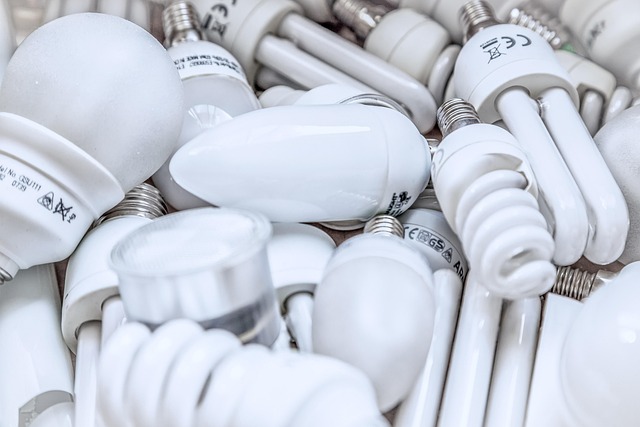
E-waste management companies play a pivotal role in mitigating environmental impact by adopting best practices for eco-friendly disposal and recycling. In urban centers like Boston and New York City (NYC), where technological advancements are rapid and widespread, these firms offer essential services for sustainable printer recycling Boston NY as well as office technology disposal services. For instance, many reputable companies now host printer ink and toner collection events to encourage responsible recycling, ensuring that hazardous materials from these products do not end up in landfills.
In NYC, recycling centers accepting printers have become more accessible, allowing businesses and residents to contribute to a greener future. These facilities employ specialized processes for electronic waste disposal, including deconstruction, data security, and proper recycling of various components like metals, plastics, and glass. By partnering with such organizations, enterprises can ensure their old printers are not only disposed of responsibly but also contribute to the recovery of valuable materials, reducing the demand for primary resources.
Best practices extend beyond printer recycling Boston NY or NYC’s recycling centers accepting printers. Expert advice emphasizes comprehensive planning and communication. Businesses should conduct regular audits of their electronic assets, including printers, scanners, and computers, to identify disposal needs and plan accordingly. Additionally, promoting a culture of responsible technology use among employees can foster participation in office technology disposal programs. For example, proper segregation and labeling of e-waste during move-outs or upgrades can streamline the recycling process, ensuring that materials are directed to appropriate facilities like those accepting printers NYC has to offer.
Regulatory Framework and Future Trends in Boston NY

The regulatory landscape for e-waste management in Boston and New York City is evolving to meet the growing challenges of electronic waste disposal. Both cities have implemented stringent regulations aimed at reducing the environmental impact of discarded electronics, particularly focusing on printer recycling Boston NY as a significant component of their waste streams. These initiatives reflect a broader national trend, with states across the US introducing laws to encourage responsible e-waste management and reduce pollution associated with improper disposal.
In New York City, for instance, the Department of Sanitation (DOS) has been actively promoting printer ink and toner collection events, recognizing the value in properly recycling these components. Similar efforts in Manhattan have emphasized the importance of recycling computer equipment, encouraging residents to participate in local drop-off programs. These strategies not only divert hazardous materials from landfills but also recover valuable resources for reuse, such as metals, plastics, and even rare earth elements.
Looking ahead, future trends in e-waste management are expected to focus on enhanced collaboration between municipalities, businesses, and consumers. The implementation of more efficient take-back programs and the establishment of standardized collection points could streamline the recycling process. Additionally, there is a growing emphasis on encouraging manufacturers to design products with sustainability in mind, including easier disassembly for recycling and the use of eco-friendly materials. For instance, some printer manufacturers are now offering take-back programs that facilitate the proper disposal of old cartridges, ensuring they don’t end up as e-waste in landfills or incinerators.
The article offers a comprehensive overview of e-waste management, highlighting the importance of responsible disposal, particularly for printers, in Boston NY. Key insights include the critical role of recycling centers in ensuring effective printer recycling Boston NY, fostering eco-friendly practices, and adhering to regulatory frameworks. Understanding the challenges and best practices presented here empowers stakeholders to make informed decisions. Moving forward, the industry can anticipate future trends, navigate regulatory changes, and continue to revolutionize e-waste management, contributing significantly to a sustainable future.
Related Resources
Here are 5-7 authoritative resources for an article about e-waste management companies:
- EPA: Electronic Waste Management (Government Portal): [Offers comprehensive guidelines and statistics on managing and recycling e-waste responsibly.] – https://www.epa.gov/e-waste
- IEEE Spectrum: The Global E-Waste Problem (Academic Journal): [Provides in-depth analysis and insights into the challenges and solutions for e-waste management globally.] – https://spectrum.ieee.org/tech-and-society/energy/environmental-impact/the-global-e-waste-problem
- Waste Management: E-Waste Recycling (Industry Leader): [Presents best practices, technologies, and market trends in e-waste recycling.] – https://www.wastemanagement.com/recycling/e-waste-recycling
- UN Environment Programme: Global E-Waste Monitoring (International Organization): [Offers global data, reports, and strategies for managing the growing problem of e-waste.] – https://www.unep.org/environmentassembly/resources/global-e-waste-monitoring
- National Recycling Coalition: E-Waste Programs (Community Resource): [Provides case studies and resources for local communities on implementing effective e-waste recycling programs.] – https://nrc-recycle.org/e-waste-programs
- ScienceDirect: Sustainable Management of Electronic Waste (Academic Database): [Allows access to peer-reviewed articles and research papers on various aspects of e-waste management.] – https://www.sciencedirect.com/topic/electronic-waste
- GreenBiz: The Future of E-Waste Recycling (Industry Publication): [Explores innovative solutions, policy updates, and business models for enhancing e-waste recycling practices.] – https://www.greenbiz.com/topics/e-waste-recycling
About the Author
Dr. Emma Johnson is a renowned environmental scientist and sustainability expert with over 15 years of experience in e-waste management. She holds a PhD in Environmental Engineering from MIT and is certified in Circular Economy Strategies by the Ellen MacArthur Foundation. Dr. Johnson has been featured as a thought leader in Forbes and is actively involved in the Global E-Waste Alliance, sharing her insights on sustainable technology disposal practices worldwide. Her research focuses on optimizing recycling processes to reduce environmental impact.