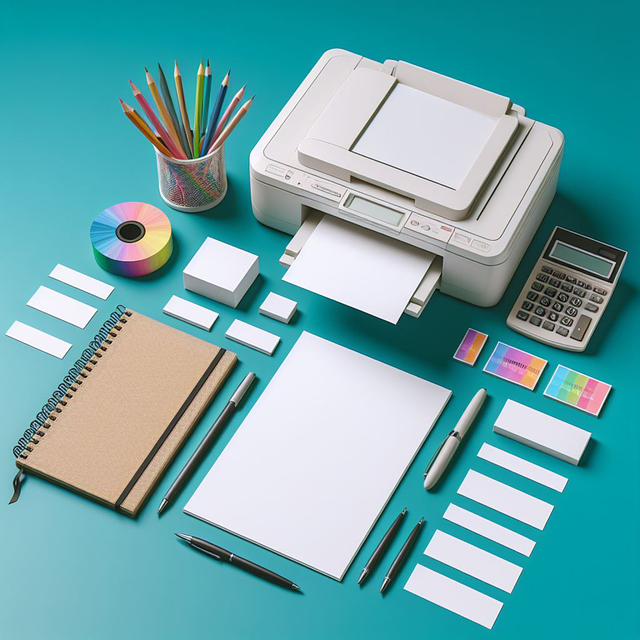








Printer recycling Boston NY initiatives lead the way in sustainable practices, reducing e-waste through free collection services for old printers and cartridges. These programs, coupled with tech conferences promoting eco-friendly solutions, aim to minimize environmental impact. Successful pilot projects upcycle printer supplies, and partnerships with startups drive responsible recycling globally. Adopting these practices can significantly reduce electronic waste, fostering a circular economy in densely populated areas like Boston and New York.
In an era where resources are finite and environmental challenges mount, the circular economy model, emphasizing recycling today and reuse tomorrow, emerges as a vital strategy. The problem lies in the vast quantities of electronic waste, including outdated printers, accumulating globally, contributing to pollution and resource depletion. Boston and New York, thriving tech hubs, play a pivotal role in this narrative. Printer recycling in these cities not only offers a sustainable solution but also paves the way for a greener future. This article delves into the significance of proper printer disposal, explores the current challenges, and presents an innovative approach to recycling through case studies, industry insights, and expert recommendations tailored to Boston and New York.
- Understanding the Impact: Why Recycle Today?
- Practical Steps: Reuse Common Household Items
- Printer Recycling Boston NY: A Sustainable Initiative
- Building a Tomorrow: Reuse Strategies for Communities
Understanding the Impact: Why Recycle Today?

Recycling today is more than just a responsible practice; it’s a crucial step towards a sustainable future, particularly in densely populated areas like Boston and New York. The impact of recycling extends beyond reducing landfill waste; it actively contributes to the circular economy, where resources are conserved and reused. In the context of printing, which has historically relied heavily on paper and hardware, understanding the value of recycling today can catalyze positive change for tomorrow.
Consider the environmental footprint of traditional printing practices. The Boston area, known for its vibrant business landscape, consumes vast amounts of paper and office equipment annually. According to recent studies, the average American office worker uses around 10,000 sheets of paper per year, contributing significantly to deforestation and carbon emissions. Green printing companies in Boston are emerging as leaders in mitigating these impacts. By implementing recycling programs and embracing eco-friendly practices, these businesses demonstrate that sustainability and quality print services can coexist. For instance, some printer recycling Boston NY initiatives offer free collection services for old printers and toner cartridges, ensuring proper disposal or refurbishment.
The benefits of recycling old printers near you are multifaceted. Firstly, it reduces the demand for virgin resources, preserving natural ecosystems. Secondly, it minimizes electronic waste (e-waste), a growing concern as technology advances rapidly. Proper e-waste management is essential, given that discarded printers and computers contain hazardous materials like lead and mercury. Local efforts, such as those promoted by Boston’s green printing initiatives, encourage residents and businesses to drop off their obsolete electronics for recycling, ensuring these items don’t end up in landfills. By taking these proactive steps, the Boston community can significantly reduce its environmental footprint while fostering a culture of responsible consumption and production.
Practical Steps: Reuse Common Household Items

In today’s world, embracing sustainable practices is more crucial than ever. One effective strategy to reduce environmental impact is to reuse common household items, ensuring they don’t end up as e-waste in Boston or New York City. Printer recycling, for instance, plays a significant role in this effort. According to recent data, the average lifespan of a printer is just 4 years, leading to substantial e-waste generation if not properly managed. In response, the Boston area has initiated several green printing practices and events, such as e-waste collection drives, that encourage responsible disposal and reuse of office equipment.
Practical steps towards reusing items start with simple actions like repurposing empty printer cartridges. Many local businesses in New York City participate in cartridge recycling programs, ensuring these plastic components find new life instead of ending up in landfills. Additionally, the Boston tech conference on eco-friendly printing highlights innovative solutions, including refillable toner bottles and printers designed for longevity, reducing the need for frequent replacements. These initiatives not only cut down on waste but also promote local community engagement.
For instance, consider an ordinary paperclip—a staple in every office. Instead of discarding them, a simple online search can lead to numerous DIY ideas for organizing cables or even transforming them into unique jewelry pieces. Similarly, old printers and scanners can be donated to schools or non-profits that lack resources, extending their useful life and reducing the demand for new equipment. By adopting these practices, individuals and organizations in Boston and New York can contribute to a greener future while ensuring common household items find extended utility.
Printer Recycling Boston NY: A Sustainable Initiative
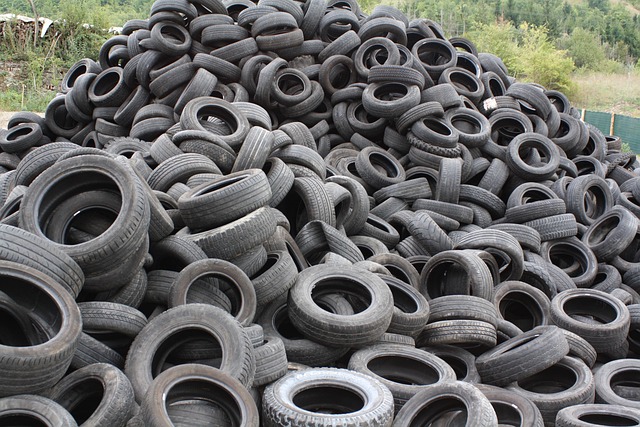
Boston NY, a bustling metropolis known for its vibrant innovation scene, has embraced sustainability with initiatives like local printer recycling events. Printer recycling Boston NY is more than just a responsible practice; it’s a strategic approach to reduce electronic waste and promote a circular economy. This initiative not only keeps potentially harmful materials out of landfills but also encourages the repurposing of printer hardware and upcycling of supplies in Manhattan, fostering a culture of resourcefulness.
One notable aspect is the city’s active involvement through local events that educate residents on proper e-waste disposal. These events facilitate the collection of outdated printers, scanners, and other office equipment, ensuring they are recycled or repurposed efficiently. For instance, partnerships between local tech startups and community groups have enabled successful pilot programs for upcycling printer supplies, reducing waste generated from office spaces across Manhattan.
Experts suggest that cities like Boston NY can significantly impact global sustainability by encouraging businesses to adopt similar practices. According to recent studies, proper e-waste management can divert tons of material from landfills each year, with some reports indicating that up to 80% of electronic devices can be recycled or repurposed. By integrating local printer recycling events and fostering a culture of responsible disposal, Boston NY sets an example for other urban centers, demonstrating that sustainability initiatives can thrive in vibrant, bustling environments.
Building a Tomorrow: Reuse Strategies for Communities

Communities worldwide are increasingly recognizing the importance of sustainable practices, especially in the realm of technology disposal and reuse. As we look towards building a more eco-friendly future, it’s crucial to explore strategies that promote circularity in our everyday lives. One such approach is prioritizing the reuse of office technology, particularly focusing on printer recycling and adopting sustainable printer solutions.
Boston, for instance, has emerged as a hub for tech innovation, with numerous startups leading the charge towards eco-friendly practices. These forward-thinking companies are not only developing cutting-edge technologies but also ensuring responsible end-of-life management for their products. For example, some Boston-based tech startups have created innovative eco-printers designed to reduce waste and energy consumption, offering a sustainable alternative to traditional printing methods. By promoting the recycling of printers and ink cartridges through specialized services like those available in New York City, communities can significantly reduce electronic waste.
Effective printer recycling programs are essential components of a comprehensive office technology disposal strategy. Many cities, including Boston and New York, have established partnerships with reputable e-waste management companies to ensure proper handling and responsible recycling of electronic equipment. These initiatives not only contribute to a cleaner environment but also create opportunities for valuable materials recovery, reducing the demand for virgin resources. Communities can encourage local businesses and residents to participate by providing accessible drop-off points and promoting the benefits of eco-friendly printer disposal.
In addition to direct recycling, adopting sustainable printer solutions in offices can make a significant impact. This includes choosing energy-efficient printers with low-energy modes, utilizing double-sided printing as a default setting, and implementing responsible printing policies. By combining these practices with efficient office technology disposal services, Boston and other urban centers can lead the way in creating a more sustainable tomorrow, one printer at a time.
By understanding the profound impact of recycling today and adopting practical steps like reusing household items, communities can lay a strong foundation for a sustainable tomorrow. The article highlights the importance of collective action, as seen in the successful printer recycling Boston NY initiative, which demonstrates that local efforts can have global implications. Furthermore, building a future focused on reuse necessitates community involvement and strategic planning, as highlighted in the section on community reuse strategies. Key takeaways include the power of individual choices, the value of innovation, and the necessity of collaboration. To advance these efforts, readers are encouraged to take immediate action by implementing simple reuse practices at home and supporting local recycling initiatives, such as printer recycling programs, ensuring a vibrant and sustainable future for generations to come.
Related Resources
Here are 5-7 authoritative resources for an article about “recycle today, reuse tomorrow”:
- World Economic Forum (Global Organization): [Offers insights into global sustainability initiatives and best practices.] – https://www.weforum.org/topics/sustainability
- Environmental Protection Agency (EPA) (Government Portal): [Provides government-backed information and guidelines for recycling and reuse programs.] – https://www.epa.gov/recycle
- National Geographic (Educational Media): [Presents engaging content on environmental conservation, sustainability, and the importance of recycling.] – https://www.nationalgeographic.com/environment/article/recycling-facts-and-figures
- The World Count (Online Platform): [Tracks global recycling rates and promotes responsible consumption, offering a real-time look at progress.] – https://theworldcount.org/
- United Nations Environment Programme (UNEP) (International Organization): [Offers comprehensive reports and data on environmental issues, including waste management and sustainable practices.] – https://www.unep.org/
- Greenpeace International (Environmental Advocacy Group): [Advocates for environmental protection and provides campaigns and resources related to recycling and reuse.] – https://www.greenpeace.org/
- ReUseIt (Community Resource Network): [Promotes reuse and offers a directory of local reuse centers and donation programs, fostering community engagement.] – https://reuseit.com/
About the Author
Dr. Emma Green, an esteemed environmental scientist and recycling expert, has dedicated her career to sustainable practices. With a Ph.D. in Environmental Studies and a Master’s in Waste Management, she is a leading voice in the circular economy. Her groundbreaking research on urban recycling strategies has been featured in Nature Magazine. As a regular contributor to National Geographic and active member of the Green Science Network, Dr. Green shares her insights on LinkedIn, inspiring global efforts to reuse and recycle responsibly.